What Causes a Chimney to Collapse?
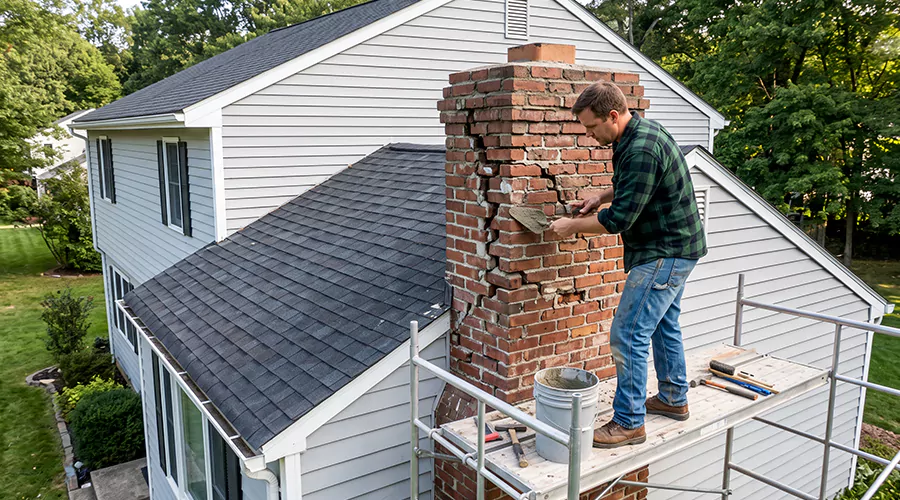
A collapsing chimney is rarely a sudden event. Water damage, freeze-thaw cycles, and neglected mortar weaken the structure long before it fails.




Based on 500+ Reviews

Proudly American
Owned & Operated

A chimney collapse is a serious structural problem that can damage a home, create safety hazards, and require extensive repairs. Chimneys are exposed to weather conditions throughout the year, and without proper maintenance, materials such as brick, mortar, flashing, and chimney liners can deteriorate over time.
A chimney may collapse because of water damage, structural deterioration, poor construction, earthquake or storm damage, neglected repairs, or excessive weight on weakened components. Understanding the causes of chimney collapse can help homeowners identify warning signs and address problems before they become dangerous.
A chimney can collapse because of:
Water is one of the most common causes of chimney deterioration.
Chimneys are constantly exposed to:
When water enters the chimney system, it can damage:
Over time, moisture can weaken the structure and increase the risk of collapse.
Common sources of water intrusion include:
Mortar holds chimney bricks together and provides structural stability.
Over time, mortar can weaken because of:
When mortar joints become damaged, bricks may loosen and begin shifting.
Signs of mortar failure include:
If ignored, weakened mortar can contribute to partial or complete chimney collapse.
Cold weather can cause significant chimney damage.
Freeze-thaw damage occurs when:
Repeated freeze-thaw cycles can weaken:
Over time, this damage can compromise chimney stability.
A chimney depends on a stable foundation for support.
Foundation problems may occur because of:
Foundation issues can cause:
A chimney with foundation damage may require immediate evaluation.
Construction problems can affect how long a chimney remains stable.
Examples include:
A poorly constructed chimney may deteriorate faster and become more vulnerable to collapse.
Extreme weather can damage chimney structures.
Potential causes include:
Severe weather may cause:
After major storms, chimney inspections can help identify hidden damage.
Ground movement can place stress on chimney structures.
Earthquakes or shifting soil may cause:
Older masonry chimneys may be more vulnerable to movement-related damage.
Some chimney components add weight to the structure.
Examples include:
If the chimney structure is already weakened, added weight can increase stress and contribute to failure.
A lack of regular maintenance allows small problems to become major structural issues.
Without inspections, homeowners may miss:
Regular inspections help identify problems before they threaten chimney stability.
The chimney liner protects the chimney structure from heat, smoke, and combustion gases.
A damaged liner may contribute to:
While liner damage alone may not always cause collapse, it can contribute to long-term chimney damage.
Warning signs include:
These signs should be inspected promptly.
Yes. A leaning chimney may indicate structural instability.
Possible causes include:
A leaning chimney should be evaluated before the problem worsens.
Regular maintenance can help protect chimney stability.
Helpful steps include:
Inspections can identify:
Fix:
before deterioration spreads.
Maintain:
Keeping moisture out helps protect masonry.
After severe weather, inspect the chimney for visible damage.
The repair depends on the extent of the damage.
Possible solutions include:
A severely damaged chimney may require partial or complete reconstruction.
Professional chimney evaluation is recommended when:
A structural inspection can determine whether repairs or rebuilding are needed.
A chimney collapse is usually caused by long-term structural damage rather than a single issue. Water intrusion, deteriorated mortar, freeze-thaw damage, foundation problems, severe weather, and neglected maintenance can weaken a chimney over time.
Regular inspections, timely masonry repairs, and proper water protection can help prevent serious chimney damage. Addressing early warning signs can protect the chimney structure and reduce the risk of costly repairs.
Water damage and deteriorating masonry are among the most common causes of chimney structural problems.
Yes. Large cracks can weaken the chimney structure and increase the risk of failure.
Signs include leaning, loose bricks, large cracks, falling mortar, and separation from the home.
Some leaning chimneys can be repaired, but the solution depends on the cause and severity of the damage.
Regular chimney inspections help identify structural problems before they become serious.
Waterproofing helps reduce moisture damage, which is one of the major causes of chimney deterioration.
A collapsing chimney is rarely a sudden event. Water damage, freeze-thaw cycles, and neglected mortar weaken the structure long before it fails.
